

If you’ve ever stood behind a car at traffic lights and found yourself staring at its number plate, you’ll know it’s more than just a random mix of letters and numbers. In the UK, those plates are bound by strict rules, steeped in history, and even offer a little room for personal flair—so long as you play by the book. Whether you’re a first-time driver or someone considering a private plate, it’s worth getting your head around how the system actually works. Let’s take a proper look at what’s allowed, what’s not, and how design choices fit into the bigger picture.
The Basics: Why Number Plates Matter
Number plates aren’t there just to decorate the back and front of your motor. They’re a legal requirement, helping police, insurers, and cameras identify vehicles quickly and accurately. Without them, road safety and accountability would be near impossible.
UK plates must be easy to read, uniform in their format, and designed to last in all weathers. That’s why the government sets strict regulations around size, font, spacing, and colour. Ignore these rules, and you could end up with fines, an MOT failure, or even your car being pulled off the road.
The Standard Format in the UK
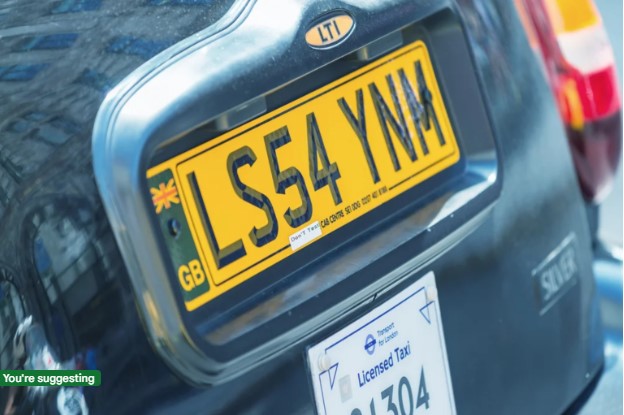
Modern British plates follow a format introduced back in 2001: two letters, followed by two numbers, then three more letters.
- The first two letters: these point to the region where the vehicle was first registered. For example, “LD” means London, while “BX” points to Birmingham.
- The two numbers: these show the age of the car. Plates issued between March and August use the year number itself (e.g. 24 for 2024), while those between September and February add 50 (so 74 for late 2024).
- The last three letters: these are random, providing a unique identifier.
It’s a neat system—one glance can tell you where and when the car first hit the road.
Size, Shape, and Style: The Legal Requirements
Here’s where things get precise. The Driver and Vehicle Licensing Agency (DVLA) lays down very specific standards:
- Character height: 79mm
- Character width: 50mm (except for the number “1” or letter “I”)
- Stroke (thickness of the lines): 14mm
- Space between characters: 11mm
- Space between character groups: 33mm
Every plate also has to be made of reflective material, with black characters on a white background for the front and on a yellow background for the rear. No fancy colours, no fiddling with the font. The only typeface allowed is “Charles Wright,” which might sound like an architect but is in fact the UK’s standard registration font.
Flags, Borders, and Extras
While you can’t swap fonts or colours, you do get some wiggle room in how your plate looks. UK law allows certain national identifiers to appear on the left-hand side. You can choose from:
- Union Jack with “UK”
- Cross of St George with “ENG”
- Saltire with “SCO”
- Red Dragon with “Wales”
A thin border is permitted, too, but it mustn’t interfere with the readability of the characters. What you can’t do is add cartoon logos, stylised graphics, or cheeky slogans that make it look more like a bumper sticker than an official plate.
Private Plates: A Touch of Personality
This is where things get interesting. Personalised registrations are a booming market, with some selling for tens of thousands. People buy them to mark initials, spell words, or just for the fun of standing out. The rules remain the same: characters must still meet the legal font and spacing requirements, and you can’t make a plate look younger than the car itself. For instance, sticking a 2024 plate on a 1998 Ford Fiesta simply isn’t allowed.
The DVLA auctions off certain valuable combinations, and countless companies specialise in reselling unique registrations. If you’re tempted, remember that what you’re really buying is the right to display that registration—it’s not the physical plastic plate itself.
The Role of the Number Plate Maker
Buying the actual physical plates isn’t something you can just do on eBay without checks. Only registered suppliers are authorised to create plates, and they’ll always ask for proof of identity and entitlement to the registration. This is to stop cloning and fraud.
If you’ve ever typed number plate maker near me into a search engine, you’ll have seen how many outlets offer same-day service, from small independent garages to big chains. They’ll print your registration to the exact legal specification, often letting you choose small extras like borders or flags. Just don’t expect them to bend the rules—legit suppliers simply won’t risk it.
Common Misconceptions and Mistakes
Ask around and you’ll hear plenty of myths about what’s allowed. A few of the most common:
- 3D gel or 4D plates: These are legal only if they meet the reflectivity and readability standards. The raised lettering is fine so long as it’s still black on reflective material and in the Charles Wright font.
- Tinted plates: Illegal. They reduce readability, especially for cameras.
- Novelty spacing: You might be tempted to shift characters around to spell a word more clearly. Don’t. Cameras and police are trained to spot it, and you risk a £1,000 fine.
- Coloured screws: Yes, even the screws holding your plate in place must not alter how the characters look. A black screw through a “1” might get you pulled over.
MOT and Enforcement
Plates are checked as part of your MOT. If the characters are obscured, the reflectivity has faded, or the plate is damaged, your car could fail the test. On the road, police have automatic number plate recognition (ANPR) systems constantly scanning for registrations. If your plate is misread or doesn’t match DVLA records, you’ll be flagged in seconds.
It’s not just about fines either. Incorrect plates can invalidate your insurance, leaving you financially exposed if anything goes wrong.
Classic Cars and Exceptions
Not every car follows the same rules. Vehicles built before 1 January 1980 can display traditional “black and silver” plates, which look far more vintage. These must still be made to a professional standard, but they’re a nice nod to motoring history. Motorcycles also have slightly different size requirements, reflecting the limited space on their frames.
Costs and Replacement
Getting standard plates is relatively inexpensive. Most suppliers charge between £20 and £40 per set, depending on extras like borders. Private registrations, however, can cost anywhere from £250 for something modest to hundreds of thousands for rare letter-and-number combinations.
If your plate gets cracked or stolen, you need to replace it straight away. Driving without a readable plate is illegal, even for a short trip.
Sustainability and Materials
An interesting development in recent years is the move towards eco-friendlier plate production. Some suppliers now offer plates made from recycled acrylic or use greener manufacturing processes. It’s a small step, but for environmentally conscious drivers, it’s a welcome one.
Why It Pays to Stay Within the Rules
It might sound fussy, but the strictness makes sense. Uniform, highly visible car number plates keep the roads safer, help law enforcement track stolen vehicles, and ensure fairness in insurance and toll systems. Once you see how much relies on them, you realise a plate isn’t just a formality—it’s a cornerstone of modern motoring.
A Few Final Thoughts
At the end of the day, number plates are a blend of function and, if you want, a bit of flair. The rules might feel restrictive, but they’re what keep the system working. Whether you’re sticking with standard plates or splashing out on a personalised set, the key is making sure they’re legal, legible, and responsibly sourced.
Think of it like this: your plate is your car’s handshake with the world. It tells people where it’s from, when it joined the road, and a little bit about its character. Treat it with care, and it’ll keep you on the right side of the law—and perhaps even add a touch of personality to your daily drive.