

Introduction
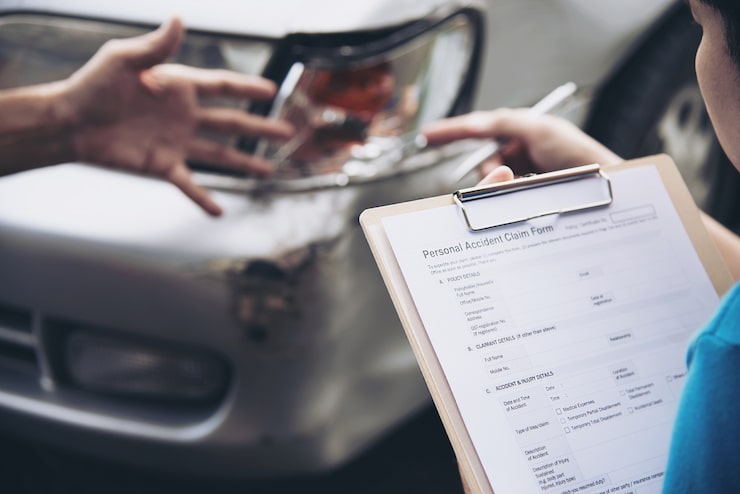
Few drivers expect the true cost of collision repair until they receive a workshop estimate body repair costs after an accident. What seems like minor damage can quickly escalate into a detailed repair involving labor, parts, and recalibration. Without understanding how pricing is structured, it is easy to misinterpret a repair quote. This article explains how auto body labor costs are calculated, what factors influence pricing, and how professional workshops build accurate estimates. It also shows how to read and compare quotes effectively so you can make informed decisions and avoid unnecessary expenses while maintaining repair quality and safety.
Understanding estimate body repair costs and labor breakdown
Labor is the largest component of estimate body repair costs, often exceeding half of the total bill. Repair work is divided into labor hours multiplied by hourly rates that vary by technician skill, equipment, and certification. Structural or specialized repairs cost more due to complexity. Many customers only look at the final total, but the breakdown of hours explains why similar damage can produce different estimates. Labor rates may also differ between body shops depending on regional demand and overhead costs.
Labor rates vs repair hours determine pricing accuracy.
Each repair task is assigned a specific time estimate based on industry guides. Small changes in labor hours can significantly affect the final cost, making transparency in time calculations essential for fair pricing.
Factors influencing auto body estimate body repair costs
Several factors shape estimate body repair costs, making each case different. Damage severity is the primary driver, as structural repairs require more labor. Vehicle type also affects pricing, especially for luxury models with advanced materials and sensors. Location plays a role, with urban workshops charging higher hourly rates. The choice between OEM and aftermarket parts further impacts the final amount. Even minor cosmetic damage can hide deeper structural issues requiring additional assessment.
Modern vehicle technology increases repair complexity.
Advanced driver assistance systems and lightweight materials require precise calibration and additional labor after repairs, increasing both time and cost.
How professionals calculate estimate body repair costs in workshops
Professional workshops calculate estimate body repair costs through a structured inspection process. Technicians assess visible and hidden damage using diagnostic tools, then divide repairs into tasks such as panel work, repainting, alignment, and replacement. Each task is assigned labor hours based on standardized repair data, while parts are priced separately. The combined total forms a transparent estimate that reduces guesswork. Manufacturer databases help ensure consistency across estimates.
Diagnostic software ensures standardized labor calculations.
Estimates are updated when new damage is identified during inspection.
Hidden elements in estimate body repair costs after a collision
Hidden factors often cause estimate body repair costs to rise after initial inspection. Paint matching, refinishing, and blending require extra labor, especially for complex finishes. Structural alignment and frame repairs may only be identified after teardown. Modern vehicles also hide damage behind panels, increasing repair scope. Sensor recalibration adds further cost. These factors are often not visible until the vehicle is partially disassembled.
Why initial estimates change after teardown.
Once disassembly begins, additional damage is often discovered, requiring updated labor and parts adjustments.
How to compare estimate body repair costs and choose the right shop
Comparing estimate body repair costs from different workshops helps ensure fair pricing and quality service. A clear estimate should separate labor, parts, and additional fees. Extremely low quotes may exclude essential repairs or use lower-quality parts. Reputable shops provide transparent breakdowns and explain procedures clearly. Warranty coverage and technician certification are also important factors when choosing a repair provider. Detailed comparisons help prevent unexpected cost increases later in the repair process.
Transparency and certifications build trust in repair estimates.
Customer reviews and warranty terms help verify reliability and long-term service quality.
Conclusion
Understanding estimate body repair costs helps vehicle owners make informed decisions after an accident. Instead of focusing only on the final number, it is important to review how labor, parts, and hidden repairs contribute to the total. Clear communication with repair professionals reduces misunderstandings and ensures accurate pricing. Comparing multiple estimates also helps balance cost and quality effectively. Ultimately, a well-prepared estimate is more than a price—it is a detailed roadmap for restoring vehicle safety, performance, and appearance. Taking time to understand estimates also reduces stress during insurance claims and helps ensure smoother communication between all parties involved in the repair process.