

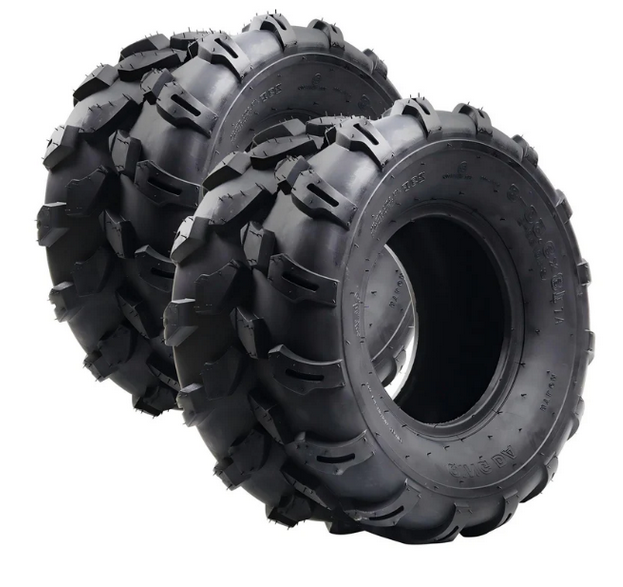
Choosing the right ATV tires can completely change how your vehicle handles rough terrain. Whether you ride through muddy farm paths, rocky mountain trails, sandy dunes, or mixed forest routes, tire selection affects traction, steering, comfort, and safety. Many riders focus on engine power or suspension first, but the tires are the only parts of the ATV that constantly touch the ground. That makes them one of the most important upgrades for any off-road setup. Along with dependable ATV riding equipment, the right tire pattern and construction can help you ride with better control and confidence. This guide explains how to match tire type, tread design, ply rating, and size to different riding conditions without overcomplicating the process.
Why Tire Choice Matters for Off-Road Performance
Different terrains create different challenges. Mud needs deep lugs that can dig and clean themselves. Sand requires flotation so the ATV does not sink. Rocks demand strong sidewalls and puncture resistance. Hard-packed trails need balance, comfort, and predictable handling.
When comparing ATV tires, riders should think beyond appearance. A tire that looks aggressive may not be the best option for every environment. Very deep tread can feel rough on hard surfaces, while a smoother pattern may struggle in deep mud. The goal is to choose a tire that fits your most common riding conditions.
Understanding the Main Types of Off-Road Tires
Most ATV tire choices fall into a few broad categories. Each one is designed for a particular kind of terrain and riding style.
Mud Tires
Mud tires usually feature tall, widely spaced lugs. These lugs bite into soft ground and help push mud away as the tire rotates. They are a strong choice for wetlands, farm tracks, swampy areas, and rainy-season trails.
However, they may feel heavy on dry ground and can reduce ride comfort on hard-packed routes. If you only ride through mud occasionally, a dedicated mud tire might be more aggressive than you need.
Trail and Utility Tires
Trail tires are built for general use. They often have medium-depth tread blocks that provide grip on dirt, gravel, grass, and light mud. These are practical for riders who use their ATV for both work and recreation.
Utility-style off-road tires are also popular for hunting, farming, hauling, and property maintenance. They usually focus on durability and steady traction instead of maximum speed.
Sand Tires
Sand tires are designed to keep the ATV floating on loose surfaces. Rear sand tires may use paddle-style tread, while front tires often have ribbed patterns for directional control.
They perform well on dunes and beaches but are not suitable for rocky trails or compact dirt. Using sand-specific tires on the wrong terrain can cause quick wear and poor handling.
Rock and Hard-Terrain Tires
Rock-focused tires usually have reinforced sidewalls, durable rubber compounds, and tread patterns that grip uneven surfaces. They are ideal for mountain trails, dry riverbeds, and rocky desert routes.
For riders who frequently face sharp stones, roots, and ledges, puncture protection is just as important as traction.
Choosing All Terrain Tires for Mixed Riding
Many riders do not stick to only one terrain. One weekend may involve forest trails, while the next ride may include gravel, mud, and open fields. In this case, all terrain tires are often the most practical choice.
These tires are designed to balance grip, comfort, durability, and versatility. They may not outperform specialized mud or sand tires in extreme conditions, but they usually handle a wider range of surfaces well.
Choose all terrain tires if you:
-
Ride on mixed trails regularly
-
Need one tire set for work and recreation
-
Want stable handling on dirt, gravel, and grass
-
Occasionally face mud but not deep swamp conditions
-
Prefer balanced performance over extreme specialization
For most casual and intermediate riders, this category offers the best value because it reduces the need to switch tires frequently.
Matching Tires to Specific Off-Road Conditions
Muddy Trails
For mud, look for deep lugs, wide spacing, and a strong self-cleaning pattern. The tire should be able to dig into soft ground without becoming packed with mud. Taller tread can help maintain forward movement, but it may also make steering heavier.
A good mud setup should also include proper ATV riding equipment such as gloves, boots, eye protection, and recovery gear. Mud riding often increases the chance of getting stuck, so preparation matters.
Rocky Terrain
Riding over rocks requires strength. Look for higher ply ratings, reinforced sidewalls, and tread blocks that wrap slightly onto the shoulder of the tire. This helps protect the sidewall when the ATV rubs against stones or sharp edges.
Avoid choosing a tire based only on tread depth for rocky conditions. A strong carcass and puncture resistance are often more important than aggressive lugs.
Sand and Dunes
Sand requires flotation. A wider tire footprint helps distribute weight and reduces sinking. Paddle tires are commonly used for dune riding because they help push the ATV forward through loose sand.
Tire pressure also plays a big role in sand performance. Lower pressure can increase the contact patch, but it should always stay within safe limits recommended for your tire and vehicle.
Hard-Packed Dirt and Gravel
For dry trails, compact soil, and gravel roads, you need predictable steering and even wear. Extremely aggressive off-road tires may feel bumpy or unstable on these surfaces. A medium tread depth with closely spaced blocks is usually more comfortable.
This is another area where all terrain tires can be a smart choice because they provide enough grip without sacrificing too much ride quality.
Snow and Wet Grass
Snow, wet grass, and slick ground need tread that can bite without sliding sideways. Look for patterns with good lateral grip. In colder regions, tire compound also matters because some rubber becomes stiff in low temperatures.
If you ride in winter, inspect tire condition often. Worn tread can reduce control quickly on slippery surfaces.
Tire Size: Bigger Is Not Always Better
Many riders assume larger tires automatically improve performance. Bigger tires can increase ground clearance and help roll over obstacles, but they also add weight. That extra weight can affect acceleration, braking, steering, and drivetrain stress.
Before upgrading tire size, check your ATV’s recommended specifications. You should also consider whether the larger tire will rub against fenders or suspension parts. In some cases, a moderate size upgrade works well, but going too large may create more problems than benefits.
Ply Rating and Durability
Ply rating gives an idea of tire strength. A higher ply rating usually means better resistance to punctures and sidewall damage. This is useful for rocky trails, heavy utility work, and rough backcountry riding.
However, higher ply tires may also feel stiffer. For casual trail riding, an extremely heavy-duty tire may not be necessary. The best choice depends on how hard you ride and what kind of obstacles you face.
Tread Pattern and Lug Spacing
Tread design controls how the tire grips and releases terrain. Wide lug spacing helps in mud because it allows debris to clear out. Tighter tread patterns are smoother on hard ground and can improve ride comfort.
Look at the direction of the tread as well. Some tires are designed for forward traction, while others focus on braking and cornering stability. If you ride fast trails, shoulder tread matters because it helps during turns.
Do Not Ignore Tire Pressure
Even the best tire can perform poorly with incorrect pressure. Too much air can reduce traction and make the ride harsh. Too little air can damage the tire, increase rolling resistance, or cause bead issues.
Check tire pressure before every major ride. Carrying a portable gauge should be part of your basic ATV riding equipment, especially if you ride far from paved roads.
When to Replace Your Tires
Tires should be replaced when tread is badly worn, sidewalls are cracked, punctures are repeated, or handling becomes unpredictable. Replacing worn ATV tires before they fail is safer than waiting until a ride is interrupted.
Also inspect tires after riding over rocks, sharp branches, or construction debris. Small cuts can grow over time and lead to sudden air loss.
Common Mistakes to Avoid
Some riders choose tires only by looks. Others buy the most aggressive tread available, even when they mostly ride on dry trails. These mistakes can reduce comfort and shorten tire life.
Avoid these common errors:
-
Choosing mud tires for mostly hard-packed trails
-
Ignoring manufacturer size recommendations
-
Mixing mismatched tire types without checking compatibility
-
Running incorrect tire pressure
-
Forgetting to inspect sidewalls
-
Buying based only on price instead of terrain needs
The best tire is not always the biggest or most aggressive. It is the one that matches your riding environment.
Conclusion
Choosing the right ATV tire starts with understanding where and how you ride. Mud, sand, rocks, gravel, snow, and mixed trails all demand different tread patterns and construction features. Dedicated off-road tires can deliver excellent performance in specific conditions, while all terrain tires are often better for riders who need balanced performance across multiple surfaces. Pay attention to tire size, ply rating, tread spacing, and pressure before making a final decision. Just as importantly, keep your tires inspected and pair them with reliable ATV riding equipment for safer adventures. With the right setup, your ATV will handle better, last longer, and feel more controlled across changing terrain.
FAQ
1. What type of tire is best for general ATV trail riding?
For general trail riding, all terrain tires are usually the best option. They offer balanced grip, comfort, and durability across dirt, gravel, grass, and light mud.
2. Are mud tires good for everyday riding?
Mud tires work well in deep mud, but they can feel rough and heavy on hard-packed trails. For everyday riding, a less aggressive tread may be more practical.
3. How often should I check ATV tire pressure?
You should check tire pressure before every major ride. Correct pressure improves traction, handling, comfort, and tire life.
4. Can I use the same tires for sand and rocks?
You can, but performance may be limited. Sand needs flotation, while rocks need puncture resistance and strong sidewalls. Mixed riding usually requires a balanced tire design.
5. What basic ATV riding equipment should I carry?
Useful gear includes a helmet, gloves, goggles, boots, tire pressure gauge, repair kit, tow strap, and a small air compressor for longer off-road trips.