

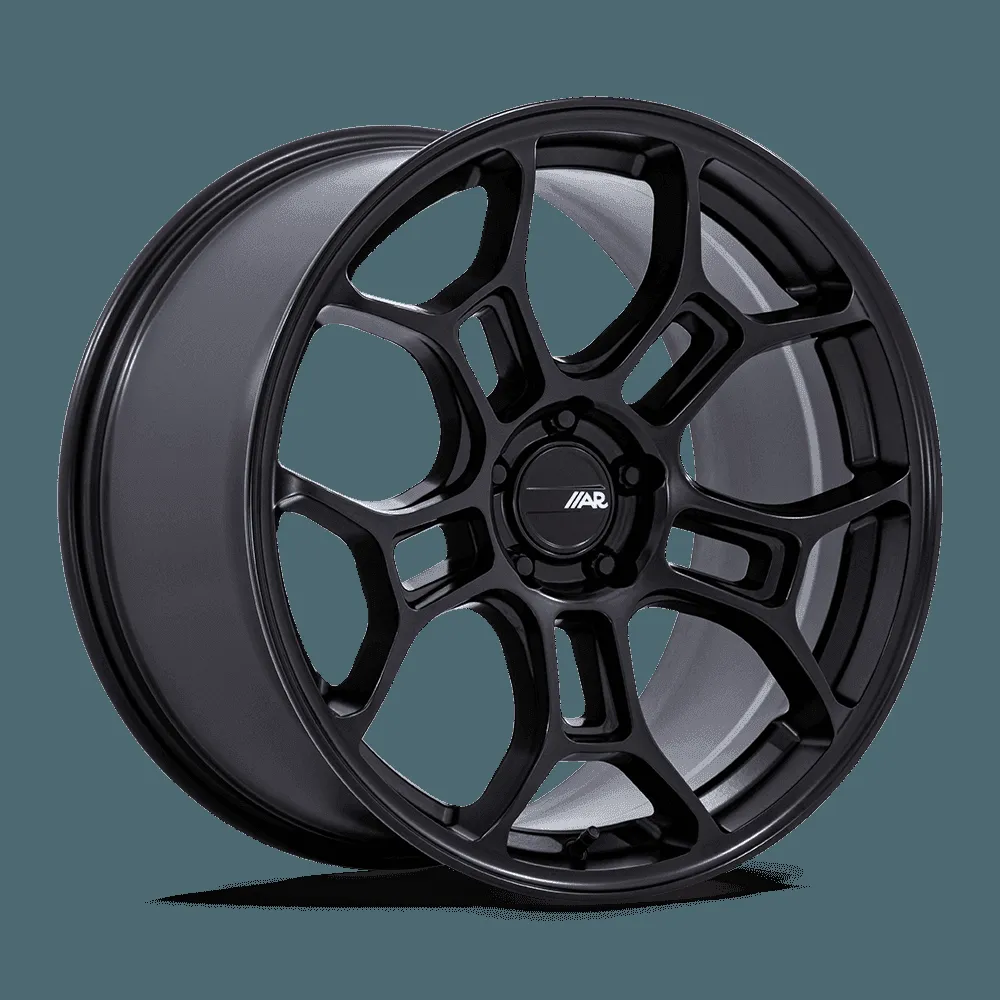
Before you step into a rim shop Irving TX has to offer, it helps to speak a little of the language. Wheel listings are packed with numbers that decide whether a set looks perfect or rubs the fender. This guide explains the essentials in plain English, one measurement at a time. Keep this guide handy when you compare listings.
Diameter: Bigger Is Not Automatic
Diameter is the wheel’s height in inches, such as 18, 20 or 22. Larger sizes fill the wheel well and sharpen the look, but they also shrink the tire’s sidewall, which changes how the vehicle feels, sounds and rides over everyday bumps, seams and potholes.
A shorter sidewall means crisper steering but less cushion over broken pavement. Choose a size that balances appearance with the roads you face daily, because a wheel that looks fantastic but rattles your teeth will stop being exciting within a week. Comfort always counts as much as looks.
Width: Space for Rubber
Width, measured across the barrel, decides how much tire you can mount safely. Each tire has a recommended width range, and staying inside it keeps the tread shaped correctly, which supports even wear, predictable grip and a sidewall that sits the way engineers intended.
Wider wheels give a planted look and more grip potential. They also move closer to suspension parts and fenders, so width and offset must be considered together, never separately, or the finished stance may rub on the first sharp turn out of a driveway. Measuring twice avoids unpleasant surprises.
Offset: The Secret to Stance
Offset, measured in millimeters, is the distance between the wheel’s mounting face and its centerline. Higher positive numbers tuck the wheel inward, while lower or negative numbers push it outward toward the edge of the fender, creating a more aggressive appearance.
A small change shifts the look dramatically. Too far out and tires rub or poke past the fender; too far in and they may touch suspension components. Getting this number right is often the difference between a clean, factory-like finish and a constant annoyance. Always confirm it against your exact model.
Bolt Pattern and Hub Bore: Non-Negotiables
A bolt pattern like 5×114.3 means five lugs on a 114.3 millimeter circle. It must match your vehicle exactly, because even a tiny difference prevents a safe, secure fit, and no amount of tightening can fix a wheel that was never designed for your hub.
Hub bore is the center hole. If a wheel’s bore is larger than your hub, small centering rings fill the gap so the wheel sits true and vibrations stay away, which protects bearings, improves comfort and keeps highway driving smooth at higher speeds. Always double-check both numbers before ordering.
Tire Size: Reading the Sidewall
A code like 275/55R20 packs three facts: 275 millimeters of tread width, a sidewall height equal to 55 percent of that width, and a fit for a 20-inch wheel. Once you can read it, every tire listing becomes far less intimidating and much easier to compare.
Changing tire size also changes overall diameter, which can throw off your speedometer. Staying close to the original diameter keeps readings accurate, preserves gearing behavior and avoids clearance surprises, so a new set of wheels never becomes an expensive puzzle that needs several corrections afterward. Small math prevents big mistakes.
Construction: Cast, Flow-Formed or Forged
Cast wheels are the most affordable and popular. Flow-formed wheels stretch the barrel under pressure, reducing weight while adding strength. Forged wheels start from solid aluminum and deliver the best strength for their weight, along with the highest price among the three common options.
Your budget and driving style guide the choice. A daily commuter may be thrilled with cast, while a performance build or heavy truck can justify the extra investment in lighter, stronger wheels that handle repeated stress, spirited driving and heavy loads with greater confidence. There is no single correct answer for everyone.
Numbers In, Confidence Out
Once these six measurements make sense, wheel shopping turns from guesswork into a checklist. You can compare options fairly and recognize a perfect fit before it ever touches your car, saving time, money and the frustration of returns, rubbing and repeated mounting appointments.
When you want experts to confirm every figure, Metroplex Customs can match wheels, tires and alignment to your vehicle and quote the complete package, so the numbers you studied on screen turn into a set that fits the first time you drive away.