

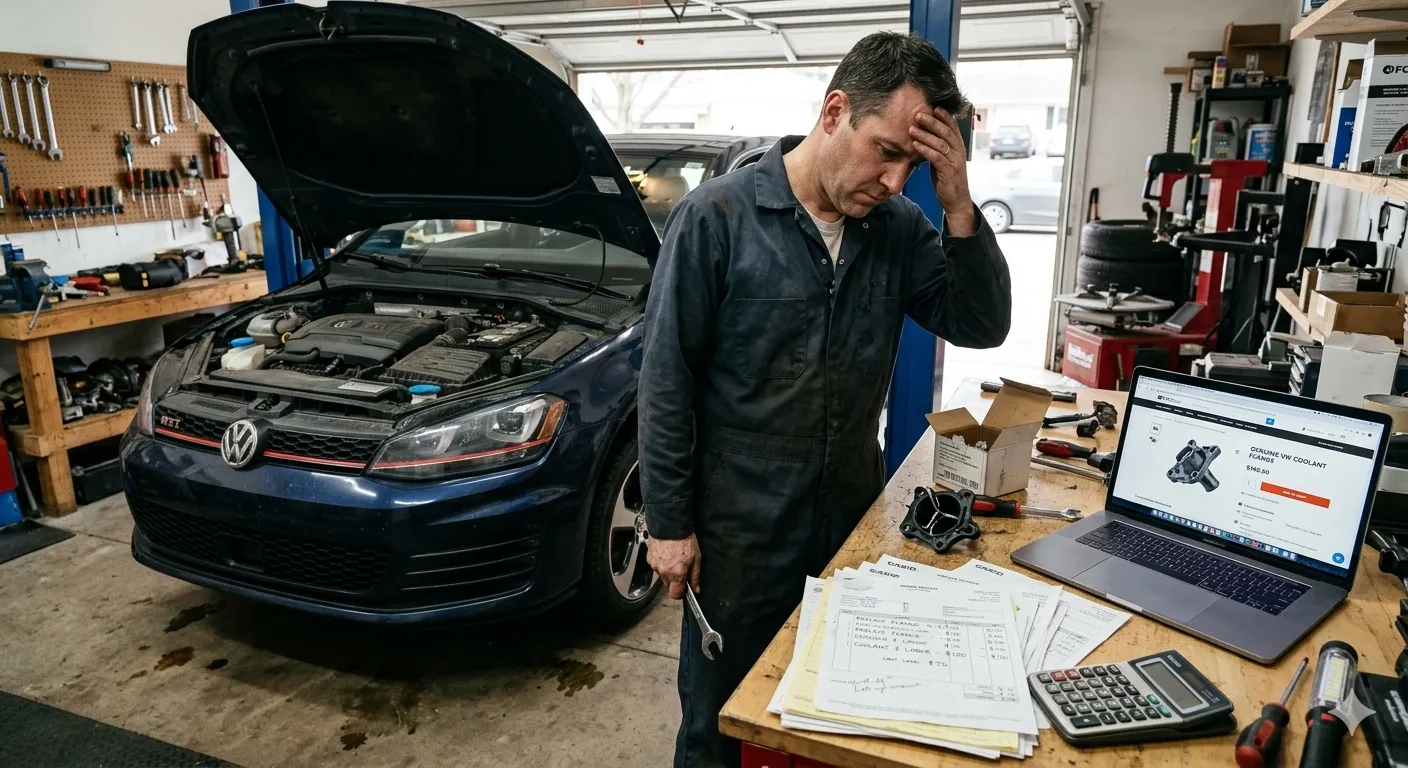
The lowest part price can be appealing, especially when a vehicle is already demanding unexpected money. Yet the relevant cost is not only what appears at checkout. Quality replacement auto parts need to be assessed against fit, application, service demands, and the labor required to install them. A short-lived component in an accessible location creates a different problem from one buried behind hours of disassembly. Evaluating these tradeoffs helps owners avoid false economies without automatically choosing the most expensive option.
Look Beyond the Shelf Price
Imagine replacing a difficult-to-reach component twice in one year. The second part may be inexpensive, but additional labor, fluids, gaskets, and lost time change the total cost substantially. Compare repair estimates that include installation and necessary supporting procedures. Some parts are easy to swap, while others require significant disassembly or calibration. The more labor-intensive the job, the more important it becomes to consider durability and documented specifications alongside the purchase price. For drivers, a careful check is usually better than another guess.
Demand Appropriate Fit
A part can be well made yet wrong for a particular vehicle. Verify the complete application, including engine variant, production date, drivetrain, and optional equipment. Check dimensional and electrical requirements where relevant. The right material or connector may matter as much as the brand name on the box. A mismatch can cause poor performance or prevent installation entirely. Accurate fitment is therefore a baseline requirement before any meaningful quality comparison begins. Owners benefit when every purchase has a clear purpose and explanation.
Understand Warranty Limits
Warranty length is one signal, but it rarely tells the whole story. Read what failures are covered, what evidence is required, and whether labor or related expenses are excluded. Keep purchase and installation records. A generous-looking warranty that demands conditions the buyer cannot meet may offer limited practical help. Conversely, a straightforward policy can make an otherwise similar choice more attractive. Consider the supplier’s published process rather than relying on headline promises. The result should be a practical repair, not another mystery.
Separate Branding From Evidence
A recognizable logo may reassure buyers, but reputation should be supported by relevant product information. Inspect stated materials, manufacturing standards when documented, fitment notes, and credible application details. Be cautious of vague claims such as “premium performance” without specifications. For safety-critical components, service guidance and qualified installation matter more than marketing language. Comparing evidence reduces the risk of paying extra for packaging or selecting a suspiciously cheap item with inadequate documentation. That distinction can save time when another problem appears later.
Think About Operating Conditions
A vehicle that tows heavy loads or operates in extreme temperatures may place different demands on certain parts than one driven lightly in mild weather. Match components to the actual application and the manufacturer’s requirements. Avoid assuming an upgraded or heavy-duty label automatically improves every vehicle. Some changes require corresponding adjustments elsewhere. Describe your use case accurately when seeking advice so that the purchase supports the system rather than creating new problems. It is worth clarifying these points before committing money.
Account for Supporting Components
A failed primary part may have damaged or stressed neighboring items. During diagnosis, inspect related hoses, mounts, wiring, seals, and fluids as appropriate. Replacing an obvious component without fixing the original cause can shorten the life of the new one. The same principle applies when contamination or poor lubrication is involved. A complete repair plan should explain why the part failed and what must be done to protect its replacement. The same habit makes the next service visit easier to plan and discuss.
Judge the Outcome Over Time
Document installation mileage, the symptoms that prompted the repair, and the post-repair result. Watch for the return of unusual noises, leaks, warning indicators, or performance changes. This information helps distinguish normal aging from recurring system faults. It also creates useful evidence if a warranty claim becomes necessary. A replacement is not a success merely because the vehicle starts afterward; it should restore the intended function reliably under ordinary driving conditions. It also helps avoid paying twice for a problem that was never properly identified.
Conclusion
Value in a repair comes from the combined cost of correct fit, dependable service, installation, and future disruption. Buyers should compare documented specifications and warranty conditions rather than relying on price or branding alone. They should also diagnose related failures and verify the work afterward. TeamVehicle may be one source considered when researching suitable components. A thoughtful decision does not always favor the costliest part, but it should account for the real expense of doing the job again. This choice deserves care.